On August 12, 2026, a little-known European regulation quietly takes effect. It won’t make headlines in beauty magazines. But if you’re a skincare brand selling into the EU — or planning to — it will directly affect every glass bottle, serum dropper, and cream jar on your shelf.
It’s called the Packaging and Packaging Waste Regulation (PPWR), Regulation (EU) 2025/40. It replaces the old Packaging Directive that’s been in place since 1994. And it’s the most significant shake-up in cosmetic packaging compliance in a generation.
This article breaks down what actually changes, what it means for glass packaging specifically, and what you should ask your Chinese supplier before you place your next PO.
Why Glass Is Already Winning Under the New Rules
The PPWR has one central objective: all packaging placed on the EU market must be recyclable by design, and contain a minimum percentage of recycled content.
Here’s the catch. For plastic packaging, the recycled content targets are aggressive: 30% by 2030, 50% by 2040, for single-use plastic beverage bottles. For cosmetic plastics, the sorting and recycling infrastructure across the EU is inconsistent — a PET bottle recycled in Germany may be downcycled in Italy.
Glass is different.
Glass is 100% infinitely recyclable without any loss in quality. It can be melted down and remade into the exact same bottle, over and over. The EU already has a mature cullet (recycled glass) collection system. In countries like Switzerland, Germany, and the Netherlands, glass cullet recycling rates exceed 90%.
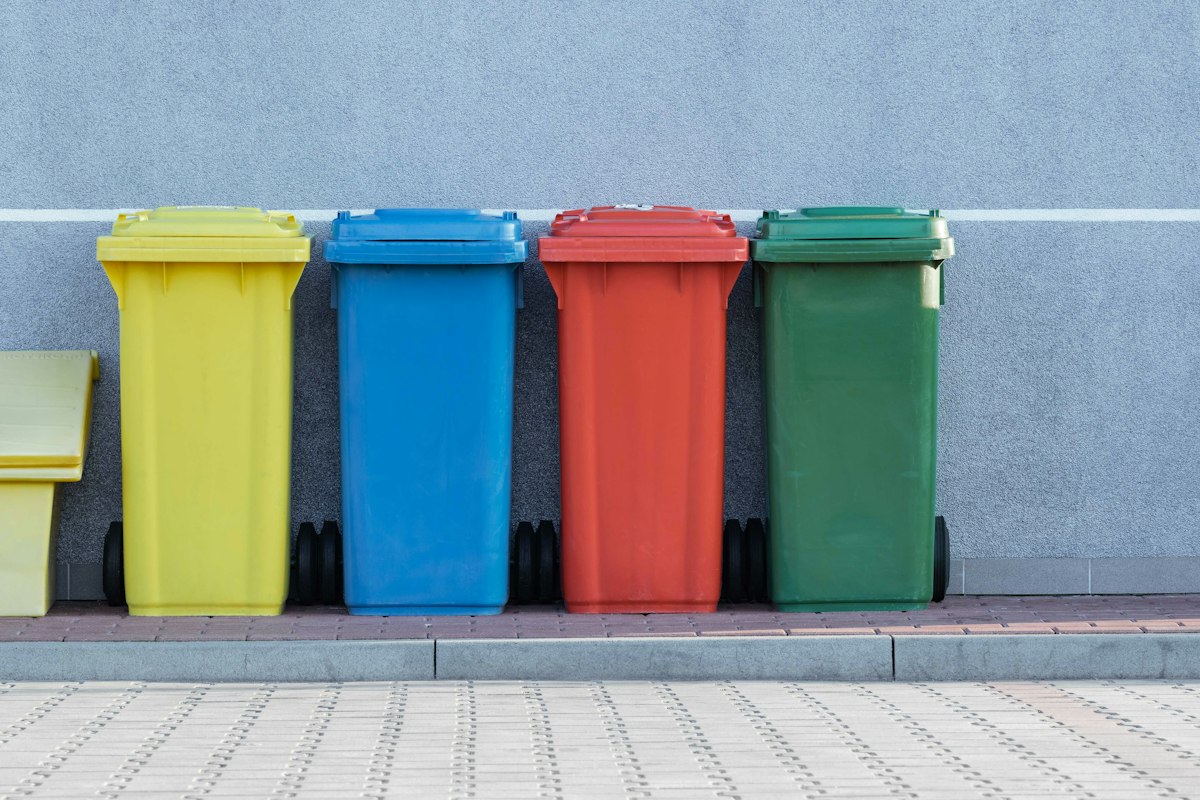
Under the PPWR’s recyclability grading system (Grades A, B, C), a well-designed glass bottle with minimal components will score Grade A or B almost automatically. A multi-component plastic jar with over-molded caps, liner seals, and glued labels may struggle to reach Grade C — the minimum required by 2030.
Bottom line: If you’re choosing between glass and plastic for a premium skincare line, the PPWR makes the decision significantly easier. Glass is no longer just the “luxury” choice. It’s the compliance choice.
What Actually Changes on August 12, 2026
The regulation doesn’t hit all at once. It’s a phased rollout:
| Phase | Date | What it means for you |
|---|---|---|
| Entry into application | 12 Aug 2026 | All packaging must meet basic recyclability design criteria |
| Harmonized labeling | 12 Aug 2028 | Standardized sorting/recycling labels across all EU member states |
| Grade C minimum | 1 Jan 2030 | No packaging below Grade C recyclability score can be sold |
| Grade A/B only | 1 Jan 2038 | Only premium recyclable packaging (Grade A or B) allowed |
For a brand launching in 2026, the August 2026 deadline is the immediate one. That means:
- Your packaging must be designed for recyclability from day one. No afterthoughts.
- Excess packaging is penalized. The regulation caps the “empty space ratio” — how much air is inside a box around the product. Bulky gift boxes with unnecessary filler will be flagged.
- Tear-off components must be removable easily. A glass dropper bottle with a glued-on collar that can’t be separated before recycling will lose points.
The Hidden Complication: Multi-Component Glass Bottles
Here’s where most brands get surprised. A cosmetic glass bottle isn’t just glass.
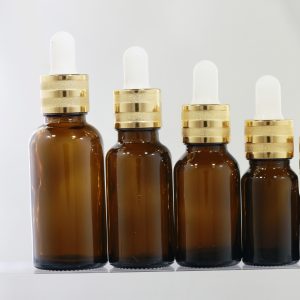
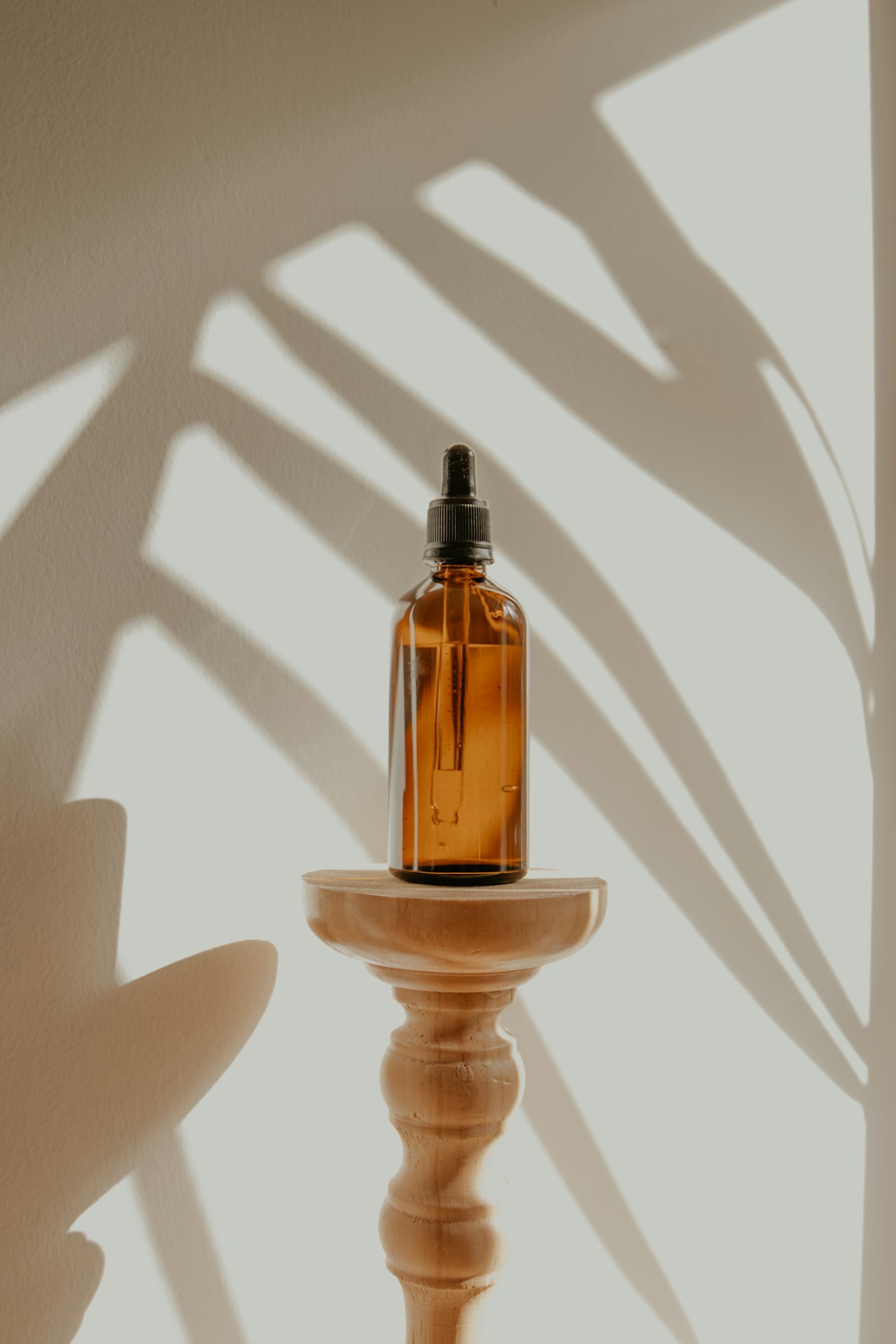
A typical serum bottle you see on Sephora shelves contains:
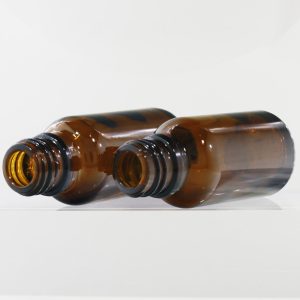
- Glass body — recyclable, Grade A
- Aluminum or plastic collar — mixed material, needs separation
- Rubber teat inside the dropper — non-recyclable in most streams
- PE pipette — recyclable but contaminates glass cullet if not removed
- Screw cap — often plastic or metal, different recycling stream
- Paper label — needs to be water-soluble or easily removable
- Surface coating — UV coating, spray painting, electroplating can contaminate cullet
The PPWR’s recyclability scoring evaluates the entire system, not just the glass body. A beautifully painted glass bottle with a permanently bonded plastic collar might score worse than a plain clear bottle with a simple screw cap.
What this means for your design
When working with your supplier, ask these specific questions:
- Can the dropper collar be unscrewed by hand without tools? If yes, it scores well.
- Is the label pressure-sensitive and easily peelable? Fully bonded wrap-around labels lose points.
- Are the coatings applied to the outer surface only, or also on the inner wall? Inner-wall coatings contaminate the cullet stream.
- Does the factory have data on their glass cullet recycling rate? The best Chinese glass factories already run internal LCA (Life Cycle Assessment) studies.
Why Your Guangzhou Supplier Is Suddenly More Important Than Ever
If the PPWR only affected European brands, you’d just need to redesign your packaging. But here’s the global ripple effect:
70% of the world’s cosmetic glass packaging is manufactured in China. Specifically in the Guangzhou and Xuzhou clusters.

This means:
- European brands are now asking Chinese factories for recyclability documentation. If your supplier can’t provide LCA data, component separation diagrams, or cullet compatibility reports, they’re going to lose EU clients.
- The factories that will thrive in 2026-2028 are the ones that already invested in design-for-recyclability. That means: standardized bottle shapes, fewer custom components, water-based coatings, and easy-to-disassemble caps.
- If you’re a small or mid-sized brand, this is an opportunity. You don’t need to design a completely new bottle. You can choose from a factory’s existing “recyclability-optimized” catalog.
5 Practical Steps You Can Take Right Now
If you’re planning a product launch in 2027 or later, here’s a compliance checklist:
1. Audit your current packaging
Pull every SKU on your shelf. For each one, list every component (glass body, cap, collar, label, coating, insert). Score each component 1-5 on how easily it can be separated and recycled. Anything below 3 is a candidate for redesign.
2. Choose “recyclability-friendly” finishing
Between these two options, which do you think scores higher? Frosted / sandblasted glass (physical etching, no added material, fully recyclable) vs UV-sprayed colored glass (multi-layer coating, can contaminate cullet). The answer is obvious once you know the rule. Frosted and sandblasted finishes are not just aesthetically on-trend — they’re also PPWR-friendly.
3. Simplify your cap system
Avoid multi-piece caps with glued-on decorations. A single-material aluminum cap or a simple screw cap scores much better than a 5-piece decorative closure.
4. Ask your supplier for their PPWR compliance sheet
Any cosmetic packaging manufacturer that’s been exporting to the EU should have a one-page document showing: component list, material breakdown (glass % / plastic % / metal %), recommended disassembly steps, and estimated recyclability grade. If they can’t produce this within 24 hours, they’re not ready for 2026.
5. Plan for the August 2026 deadline NOW
If your product launch is scheduled for Q3 or Q4 2026, you’re cutting it close. Glass bottle production + mold development + QC + shipping takes 45-60 days minimum. Add in design revisions and component testing, and you’re looking at a 3-month lead time from PO to delivery.
The Bigger Picture: Glass Is Winning Long-Term
The PPWR isn’t a temporary regulatory hurdle. It’s a signal of where the entire beauty packaging industry is heading:
- Refill stations are growing. Estée Lauder, L’Oréal, and Chanel all have refill programs in test. Glass bottles are ideal for refilling because they’re durable and chemically stable.
- Consumers are voting with their wallets. A 2024 NielsenIQ survey found that 68% of consumers would pay more for packaging that’s fully recyclable. Glass communicates that value instantly.
- Customization doesn’t have to be wasteful. You can still do frosted finishes, embossed logos, and color tints — as long as the underlying bottle is designed for recycling.
One number sits inside almost every compliance decision and is rarely discussed: weight. A heavyweight bottle is a heavier fee base and a larger footprint under a regulation built around minimisation — our guide to glass bottle weight and wall thickness puts the extra grams against the full landed cost.
Final Thought
The PPWR deadline on August 12, 2026 isn’t a doomsday scenario for glass packaging brands. It’s a filter. It separates the brands that treat packaging as a marketing afterthought from those that treat it as part of the product experience.
If you’re sourcing glass bottles from China, the suppliers that will thrive over the next decade aren’t the ones offering the cheapest unit price. They’re the ones that can show you a compliance sheet, explain why their dropper collar scores Grade B, and hand you samples of a frosted bottle that’s both beautiful and recyclable.
That’s the kind of supplier you want.
Further reading: MOQ and material guide · Bottle weight and wall thickness.